Wibble are an exceptionally process-driven web design and development agency. We follow a well-worn path / web design process when designing and developing any of our award-winning websites. This process has been tweaked and perfected over the last 13 years that Wibble have been producing websites. It follows a linear fashion and is tied to our payment stages, along with multiple other steps in web design, web development and go live.
web design concept sign off
The part of the process that I want to speak about on this blog is around the second stage, the actual concept design. Every other stage in the job of producing a web design project is fairly linear and straightforward, with similar steps to aid completion.
However, the the concept design phase of the process is really the only part where a project can go awry. If a project is going to go awry, it will do so in one of two ways:
The initial design produced does not go down well with the client.
The client signs off on the concept without fully understanding the importance of this.
Bullet number two is what I’m going to focus on. Peppered across our proposal document, our contract, our website, and we ensure we tell people multiple times throughout the project are statements demonstrating the importance of concept sign-off. Concept sign-off is fundamental to the success and the adherence to budget and agreed timelines without question.
With most projects, there are no issues, but from time to time, despite our warnings, a concept is signed off without a client fully appreciating the importance of the decision that they’re making. Requesting design alterations or changes after sign-off is a surefire way to increase budget requirements, along with project timelines, two things that we are determined to avoid on every web design project we undertake.
Web design project == house build analogy
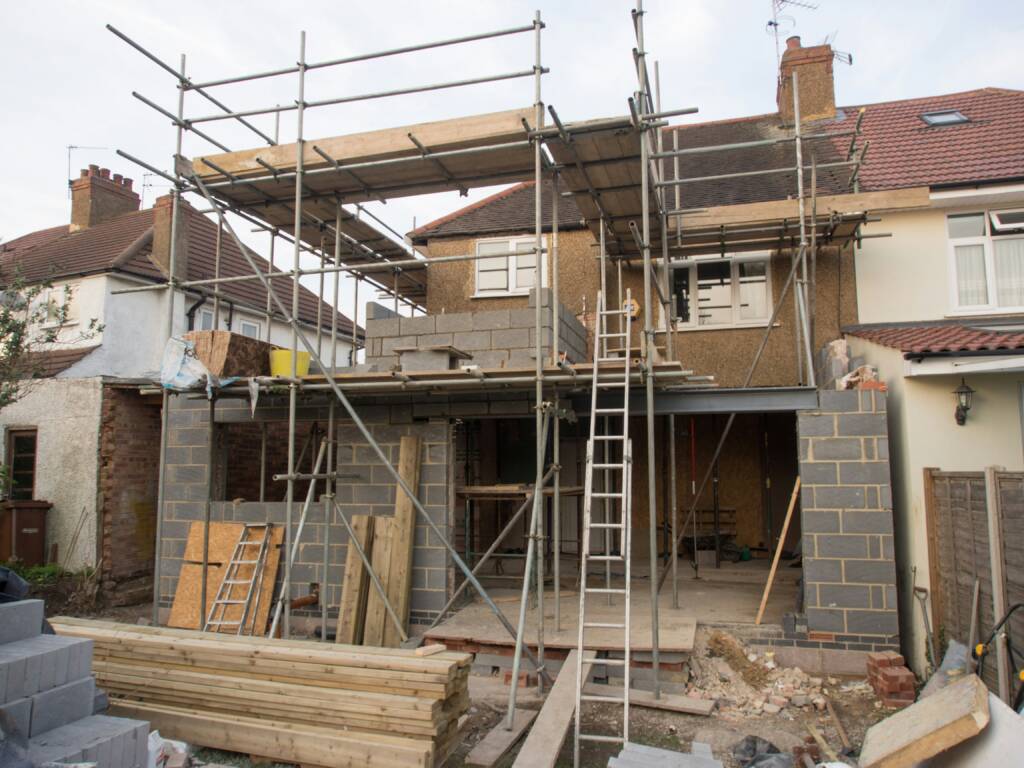
I adore an analogy. I would safely say a day doesn’t go past that I don’t try to shoehorn an analogy into a pitch, project meeting or a client call. My go-to analogy for a web design project is building a house. A house build project follows a surprisingly similar, linear trajectory with the successful design and build of a website.
Both a house build and a web project start with an estimate, move on to contracts, move on to requirements, then design, then build and then launch (move in).
Making changes to a house design is a lot simpler and cheaper when in the planning / design phase as opposed to when a master builder has already started construction or, worse, has completed the entire house project. This is the exact same principle when creating a web design project.
post sign-off change requests
Nothing drains the blood from a project manager’s face quicker than an email coming in from a client requesting a “few design changes” when we are already in the build phase. Of course, sometimes there are a few design changes, and these can be carried out ridiculously quickly with well-written CSS, and that is always the hope.
However, from time to time, we have faced a situation where sweeping structural, usability, functionality and aesthetic changes are requested when we are in the final phases of web build.
This situation always puts us in a sticky spot. We do not, in any way, want to be going back to the client requesting more budget, but we do not add in enough buffer in our estimates for this many rounds of design changes. I am fully aware that it is the client’s project and they can do with it as they please; however, we have a responsibility for our budget and for our timelines and for clients to respect our processes.
Communication is key when this situation arises, and we find a meeting or a call to explain, again, the importance of the decision and the implications of changes. This usually rectifies the situation.
our web design expertise
Wibble are web design and development experts – there is no doubt in my mind on this. When we are presenting a design to you, we believe that this is the best concept for your website and the users that are going to be utilising the site. We don’t build websites just to look pretty. There are hundreds of other decisions made throughout the project to help ensure it will be a success. Some of these include:
technical SEO decisions
image format choices
site speed
accessibility
usability
crawl budget
We aren’t just chucking a design on to Figma and hoping it works. We are making technical, aesthetic, and conversion decisions on almost every element to make this project a success. When design change requests come in, these can, from time to time, have a detrimental effect on some of the key behind-the-scenes decisions that we make.
It is not that we are overly precious about the design. It is that the buck stops with us. If we push out a site that does not succeed, we will be the ones held accountable. We take the fact that we have been chosen for your project very seriously, and we take the reputation that Wibble has with the utmost importance. These are some of the reasons that we get so engaged in projects and obsess about the success of them.
Our plan to fix this issue
This blog post isn’t just a whinge about our design processes and them getting overlooked. That isn’t the type of studio that we are. This blog post is about us identifying a problem and how we aim to fix it. We have probably made some assumptions in the past that clients understand fully the process and the consequences of making changes to a concept design after the design has been signed off.
We are adding a micro step in our process that the client essentially has to sign a mini contract (at the end of design) saying that they are fully aware that this is the concept and it will be built like this. We will also talk the client through the process and how important it is at this stage that they are fully on board. Any changes going forward to design may have an impact on budget and timelines. This may seem like a drastic step, but we are running a very task-oriented and timeline-focused agency. Sending a project back to design when we have developers lined up to build is not the way to run one of the best web design agencies in Ireland.
Conclusion
The point of this blog was multiple. It was an education piece to demonstrate to clients the importance of this stage in our web design process. It was also a demonstration of the importance we put on respecting budgets and clients’ timelines on projects. But most importantly, it was to demonstrate that we are aware that, from time to time, this issue pops up despite our best efforts, so we are putting steps in place to ensure that it doesn’t happen for the good of the project.
Contact
If you want to work with one of, if not the best, web design, web development, support, and maintenance agencies in Ireland, get in touch. We are small in size but we run this agency like a well-oiled machine, as indicated by this post.
faqs
Wibble are a leading web design agency in Ireland. This doesn’t happen by chance. We have processes to ensure projects launch on time and in budget. Here are some FAQs on how we do this.
What can you expect from a Wibble designed website?
A Website that gets results! At Wibble, we build our websites with WordPress and Gutenberg blocks, allowing for a vast amount of customisation throughout your website. All our sites are built with accessibility at the forefront, achieving an AA to AAA rating within the Web Content Accessibility Guidelines (WCAG). We never build a “custom site” from prebuilt themes; everything is tailored to you!
You can be assured that when you are partnering with Wibble, your new site will be speedy, accessible, and designed and built with care by a team of web designers and web developers at the top of their game.
What is your design and development process?
Wibble are a Belfast web design studio with clients all around the globe. Since starting in 2013, we have built up a huge range of web design clients and as a result have honed our whole setup into a number of key processes.
why are Wibble the best web design agency in Ireland
Because we genuinely look after our staff for one. We were voted the best place to work in the Irish News Workplace and Employment Awards. We have won multiple awards for the work that we have produced and continue to push forward in terms of our web design and web development expertise.