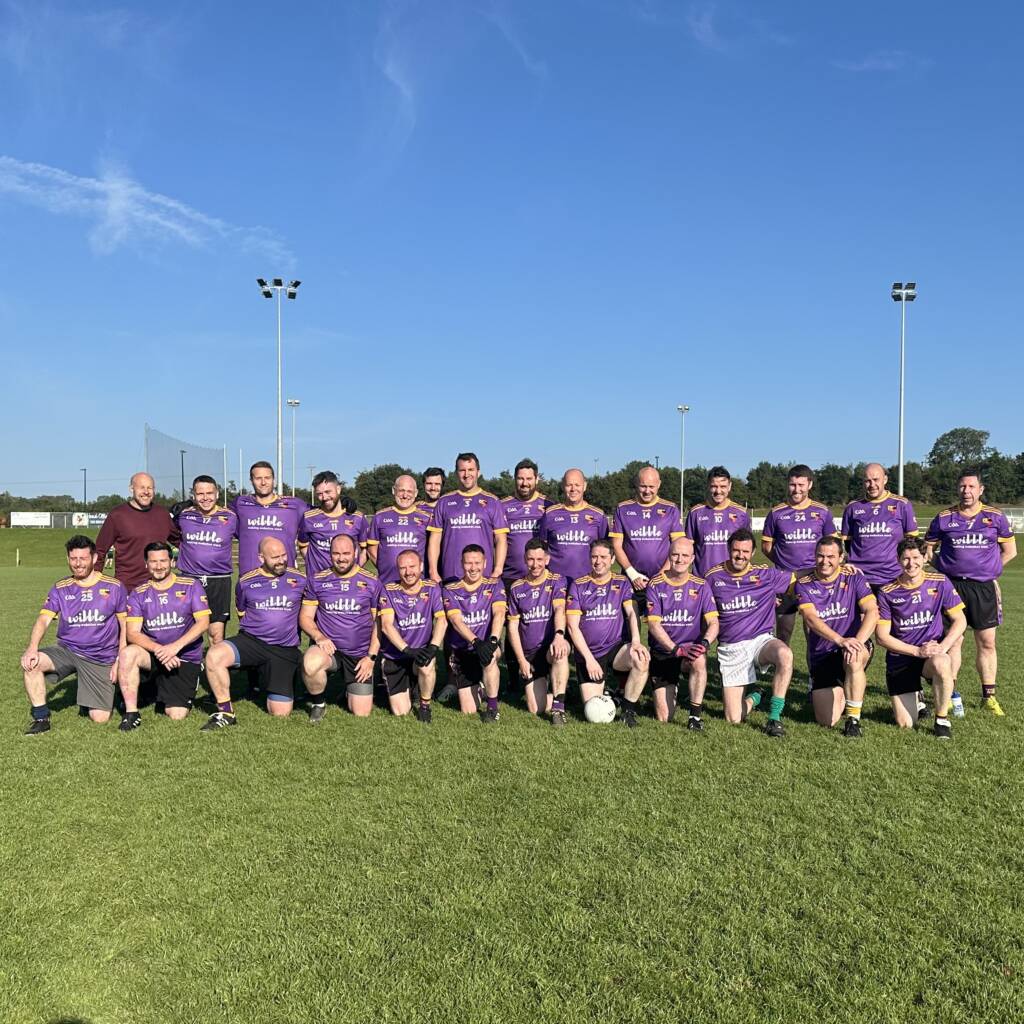
Wibble were approached to build a completely custom running-race payment and registration system bespoke to the custom requirements of our (if you excuse the pun but there will be more) long-running client, Aisling Events.
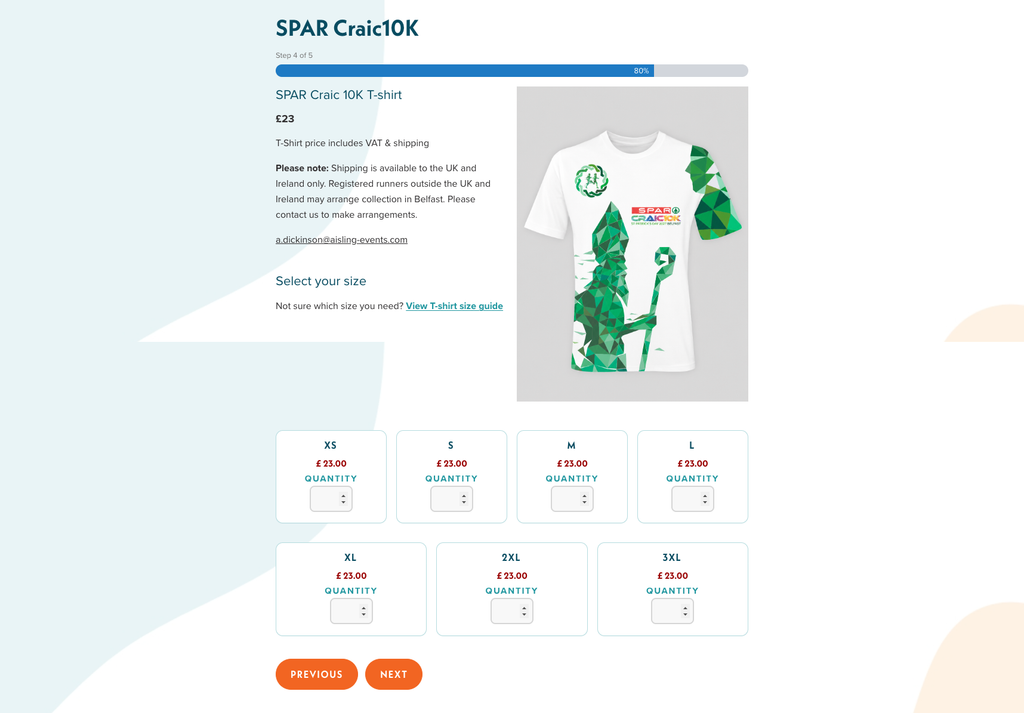
We were tasked with building a Stripe-powered payment registration system that had a number of unique requirements that meant an off-the-shelf solution was not going to cut it. The system had to integrate with MailChimp with custom segmentation and an even more unique requirement that I will go into in more detail below – Google Sheets integration.
Aisling Events has been a leading light in the local running scene, and as a result, the Spar Craic 10k has grown and grown to be a prominent race in the local running circuit. It takes place in the centre of Belfast every St Patrick’s day and attracts around 6k runners. It has sold out every year for the last number of years.
As per all of our major web design and web development projects, we undertook this whole system in a WordPress backend. Reasons: The client is familiar with the CMS, we could utilise Gravity Forms, which is a huge bonus for this project and we could ensure the whole system is future-proof as we built it using or hooking into default WordPress and Gravity forms functionality – not using a bespoke system that could prove a future management headache.
Making online payments with Stripe
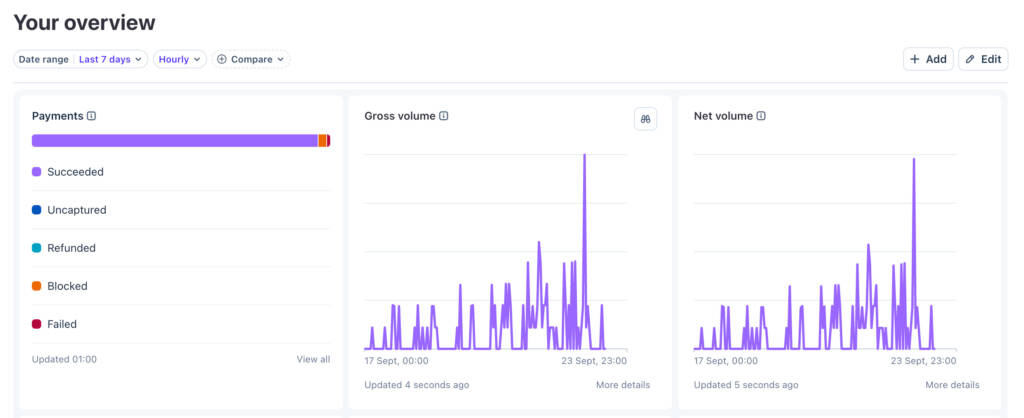
The first hurdle we undertook was, probably the most important – payment. Stripe was our payment gateway of choice and 99 times out of a hundred, is our preferred payment processor in all our web design and development projects. We manage payment processing for websites with annual payment transactions running in the millions of pounds so we are experts in Stripe’s usage and execution.
Integration of Gravity Forms with Stripe for online payments
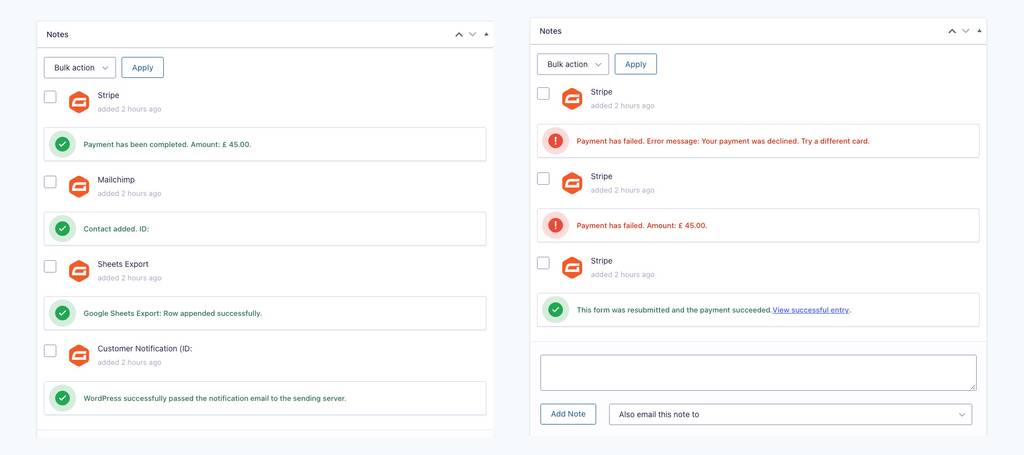
We built the payment integration between Gravity Forms (our form provider of choice for all our web design projects) and Stripe, mapping meta fields and dealing with all the scenarios around rejected payments or flagged transactions. The safety and security of the payment transactions are very much to the fore and we operate with “security by design” at the centre of the whole process.
Multiple dev environments, rigorous testing and correct deployment plans formed an important part of our testing and QA process to allow us to check and test the hundreds of different scenarios that a user could encounter when trying to carry out an online payment and race registration.
Mailchimp integration between WordPress, Gravity Forms, and Stripe
Aisling Events are a massively impressive comms team, too. They utilise MailChimp on an almost daily basis to manage and communicate to their thousands of subscribers. So the next part of the challenge was to relay the users from the registration form to the correct MailChimp account with the correct tags etc to ensure accurate segmentation of users. Multiple validation checks such as already subscribed user are carried out in an instance to ensure no duplicates are sullying the database.
Feeding runners’ details into an external spreadsheet
To the organisers, having readily available access to the runners’ info was paramount – not just being sent all the registrants info just before the race. The key part of this whole rebuild was to instantly pass the successful registrants into an accessible document, in this case a Google Sheets integration and map all the correct information in the registration form to the correct columns. It might sound really straight forward but to create a very simple interface for a client can require a lot of complex actions.
Upon Stripe feeding back to the site that the payment has been successful, a series of actions kick in using conditional logic and built in checks to ensure they only fire when they should and in the correct order.
Testing and QA in a web development project
Upon soft-launch, we found a small number of strange issues that only happen when a project is out in the wild and real users are feeding into it. In the first few hundred transactions, 1 transaction that was payment successful and mailchimp successful didn’t feed into the Google Sheet and this anomaly was caught by human testing and checking. The reason was that Google Sheets had a small outage at the exact time we tried to feed the user into the spreadsheet.
Instead of just leaving it or having to constantly check Stripe and Sheets matched up, we dived into the error logs built an additional step. Now the registration process would send a warning to our dev team if payment was successful but the push into Sheets didn’t fire. This is a good example of a proactive fail-safe and something that comes from years of testing and double-checking a solution after it goes live. Edge cases and anomalies built into a system are a great example of experience-based development processes.
A run registration system that keeps costs low
Another major reason for Aisling Events wanting to rebuild was the existence of a fixed cost to every runner that was out of their control and administered by the previous providers. The client wanted to keep the costs as low as possible to the runners and this was a key factor in seeking a custom system. We operated on a fix cost for development and then we hand it over so the only cost for each registration is a transaction fee from Stripe – allowing Aisling Events to manage costs more effectively and keep the additional costs passed to the runner at zero.
WordPress as a user registration system for organised running events
Wibble are a well-established host of complex WordPress solutions , we’d get a gold medal if they were handed out for WordPress hosting and management. This site is served by a scalable hosting solution to deal with spikes and sudden surges of usage should they occur without any notice. In the few weeks since launch, the server has been running smoothly with zero downtime or any thresholds of extensive usage being met despite a huge number of registrations, so far.
Bespoke web projects by Wibble
This web design and development project was a challenge to us, if there was any sort of a glitch when the site went live it would reflect terribly on the client and those sort of responsibilities weigh heavily on us. It isn’t just a web development project, it’s a key part of their event calendar and if we made a mistake with data entry this might take the client months to fix.
We took our time and worked with the client to ensure all requirements were hammered out, documented, and actioned as the project was built. We worked with local running clubs around Belfast, Ireland, to soft-launch the website. This gave us confidence in the solution but allowed us to identify edge cases and anomalies that are only discoverable once a site is out there, running free.
A registration solution for other running clubs or races
This was, very much, meant to be a one-off web dev solution for Aisling Events, albeit one that they can use every year going forward with minimal input from us. However, as I spoke to the running clubs and their members, it became clear that this might be an option for the thousands of runs that take place: week in, week out.
If you are organising a race with a paid registration system and would like to look into another solution completely bespoke to you and your requirements (not just off the shelf), get in touch with Wibble and we can create a cost-effective solution for an activity that does so much good for our community.
We only work in one CMS – WordPress. We are known as web design and web development experts in WordPress and specialise in the maintenance and development of the popular CMS. We have build custom API integrations, e-commerce solutions, CRM integrations and thousands of other functions all within the WordPress framework.
What expertise does Wibble specialise in?
Wibble are a small but highly qualified team of web design and web development experts. We have a team made up of digital designers, web developers, support agents and project managers to ensure web design projects are planned and run by our hugely talented team of Wibblers.
What web design and development services does Wibble offer?
Wibble specialise in custom, bespoke WordPress web design and web development. We are a leading web design and development studio in Ireland and have a reputation for being the go-to experts for all things web design.